Why Oracle’s credit rating just fell one notch above junk
S&P Global Ratings downgraded Oracle to BBB- after determining that OpenAI's outsized reliance on Oracle's cloud infrastructure poses a significant credit risk.
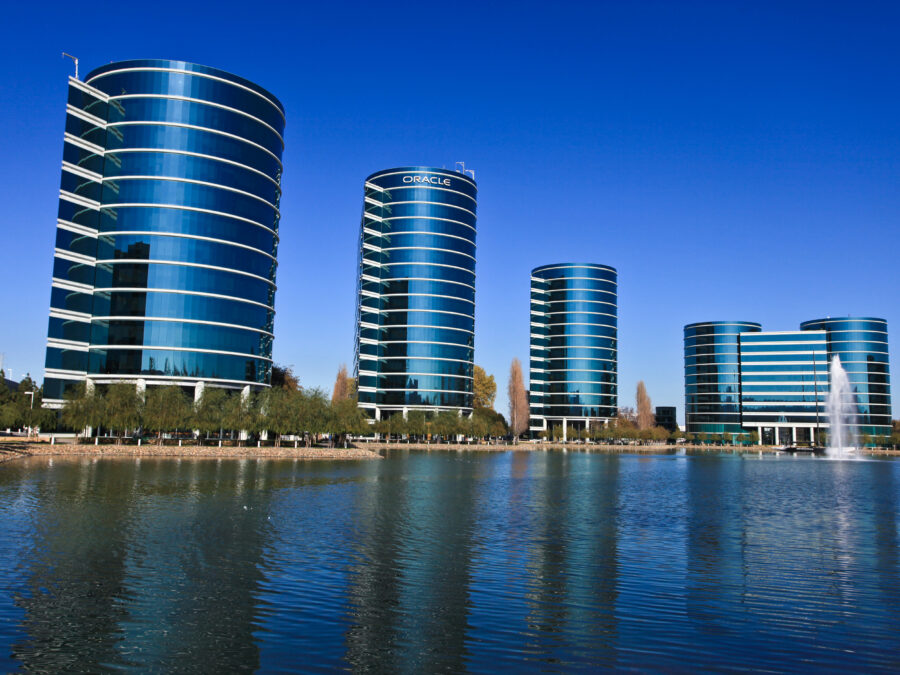
Oracle’s long-term issuer credit rating has been cut by S&P Global Ratings, dropping from ‘BBB’ to ‘BBB-‘ — just one notch above speculative-grade, or junk, status. The outlook attached to the new rating is stable, but the downgrade itself reflects growing unease about how concentrated Oracle’s AI business has become.
The core issue, per S&P, is OpenAI. The agency estimates that Sam Altman’s company accounts for roughly half of Oracle’s $638 billion in remaining performance obligations — the total contracted revenue Oracle expects to collect over the coming years. If OpenAI were to default on its payments, S&P said Oracle could be stuck with ‘massive data center leases’ built specifically to serve that demand.
This isn’t a sudden concern. S&P had already placed Oracle on a negative outlook in July 2025 over the pace of its AI infrastructure spending. With this downgrade, the agency acknowledged it had been too conservative in that earlier assessment: ‘We now recognize that we underestimated the scale of the investments required to expand the AI business,’ it said.
The numbers show how quickly Oracle’s business has changed. Cloud infrastructure represented 27% of the company’s revenue in fiscal 2026, a share S&P expects to rise to almost 60% by fiscal 2028. That business, the agency said, is considerably riskier than Oracle’s legacy enterprise software and database segments, which carry established track records of recurring revenue — AI infrastructure instead requires heavy capital spending upfront with payback spread across multi-year contracts.
Competitive pressure is building too. S&P noted that SpaceX has started leasing its compute capacity to Anthropic and Alphabet, with Meta potentially joining, a trend it said points to growing competition for the same AI customers. Should the industry slow, S&P expects Oracle to be hit harder than other major hyperscalers, given its heavier reliance on external clients and comparatively limited financial flexibility to weather a downturn.
S&P laid out clear conditions for what comes next: another downgrade is possible if leverage exceeds 4.5x on a sustained basis, if Oracle fails to reach positive free operating cash flow by fiscal 2029, or if the agency’s view of Oracle’s AI strategy turns negative. An upgrade is considered unlikely in the next two years.
Wikimedia Commons/by Hakan Dahlstrom





Leave a Reply