Same city, same pincode: why India’s quick-commerce giants keep piling into it
Bernstein estimates show India's biggest quick-commerce companies opened nearly 900 dark stores in three months, mostly deepening coverage in cities they already served rather than expanding into new ones.
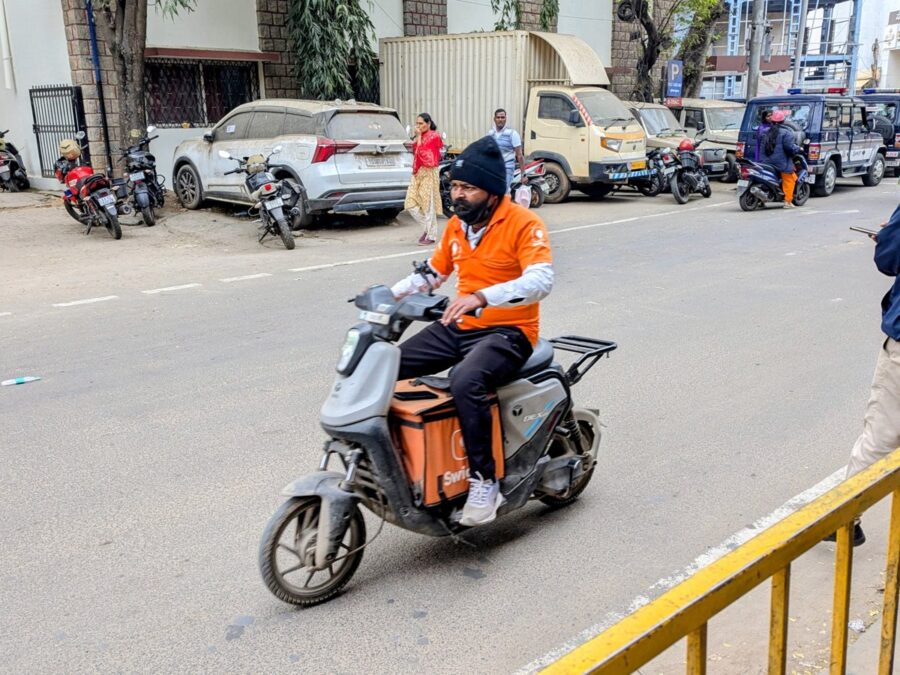
For India’s quick-commerce companies, the next phase of growth doesn’t look like new territory — it looks like the same streets, just with more stores on them. Between April and July 2026, the country’s five biggest players added an estimated 900 dark stores between them, according to equity research firm Bernstein, and most of that expansion happened inside markets they already served.
Eternal-owned Blinkit led the additions with 289 new stores, taking its network to 2,511. Flipkart Minutes, backed by Walmart, added 262 stores to reach 1,003, and Amazon Now added roughly 250, nearly doubling its footprint to 600-700 outlets. The newer quick-commerce arms of Amazon and Flipkart together made up more than half of all industry additions in the period. Zepto, which is preparing to go public, added a smaller 90 stores to reach 1,345, while Swiggy Instamart’s network was largely unchanged at 1,187.
Combined, the five companies grew from about 5,750-5,850 dark stores in April to roughly 6,650-6,750 by July. Yet the number of unique pincodes they collectively serve rose by only 152, to 2,722 — a sign that the industry is densifying existing markets rather than reaching new customers.
The effect is most pronounced in metro cities, which now hold about 4,300 dark stores against Bernstein’s estimate that only around 3,600 can be sustained profitably there. Pincodes where all five companies operate side by side nearly doubled in share, rising from 26% in April to 44% in July.
Datum Intelligence founder Satish Meena said the aggressive build-out by Amazon and Flipkart reflects a bigger strategic goal than quick-commerce margins alone — protecting their broader ecommerce platforms. Grocery orders, he said, keep users opening the app often, and that habit tends to carry over into other categories like beauty, electronics and fashion. ‘Habit is the real prize,’ Meena said. ‘It is about the top 50-60 million wallets and about which app owns their daily habit.’
Reliance’s JioMart is approaching the market differently, relying on its existing retail footprint instead of dedicated dark stores. The company reported that JioMart’s average daily grocery orders rose 116% year-on-year in the June quarter, with delivery reaching about 5,500 pincodes and more than 2,500 Reliance Digital and Reliance Fashion & Lifestyle stores linked to its two-hour delivery service. Angshuman Bhattacharya, partner at EY-Parthenon India, said multiple dark stores within a single pincode — which can span 8-10 sq km — don’t necessarily mean overcapacity, though he noted newer entrants could face a longer path to profitability.
Wikimedia Commons/by SerChevalerie





Leave a Reply