The next organ transplant might start in orbit, not a hospital
Auxilium Biotechnologies and the Wake Forest Institute for Regenerative Medicine bioprinted human liver and kidney tissue aboard the International Space Station in June 2026, the first time either tissue type has been produced in microgravity.
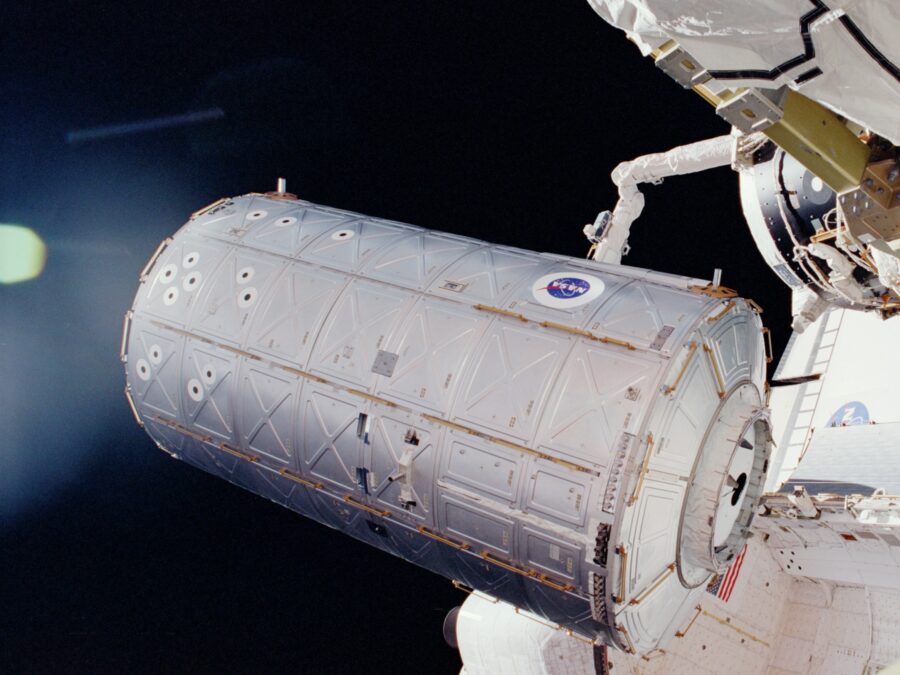
It sounds like science fiction, but it happened in June 2026: scientists produced human liver and kidney tissue aboard the International Space Station, the first time either has been made in microgravity. The mission was carried out by Auxilium Biotechnologies using its AMP-1 bioprinter, with cellular designs provided by the Wake Forest Institute for Regenerative Medicine.
Alongside the liver and kidney tissue, the same mission produced cartilage samples for orthopaedic purposes and 28 implants designed to repair damaged nerves — all of it returning safely to Earth in a SpaceX Dragon capsule on 17 June.
‘The ability to produce different types of tissues alongside clinically relevant medical products demonstrates both the versatility and scalability of our technology,’ said Isac Lazarovits, Auxilium’s Vice President of Engineering, in a statement.
The reason space works better than a lab on Earth, according to Wake Forest Institute director Antony Atala, comes down to weight — or the lack of it. Cells distribute more evenly through a tissue structure in microgravity; on Earth, they can cluster unevenly and stop a tissue from functioning as intended once implanted.
Auxilium co-founder Jacob Koffler said scientists have never found a way on Earth to fully control where cells end up inside a printed structure, something microgravity makes possible — and he expects that control to expand what kind of complex medical devices can eventually be manufactured at scale.
Full replacement organs are still a long way off. Koffler said the field will likely focus next on smaller tissue patches that can repair damaged organs, such as the liver, before attempting anything larger. ‘It’s going to take some years until we get to the clinic,’ he said, ‘but it’s important to start building that framework now.’
Image: NASA/Wikimedia Commons


Leave a Reply