Musk wants humans on Mars: Gallup’s CEO says your office might take longer
As tech billionaires pursue plans for Mars settlement, Gallup CEO Jon Clifton says fixing the everyday workplace could prove to be the tougher challenge.
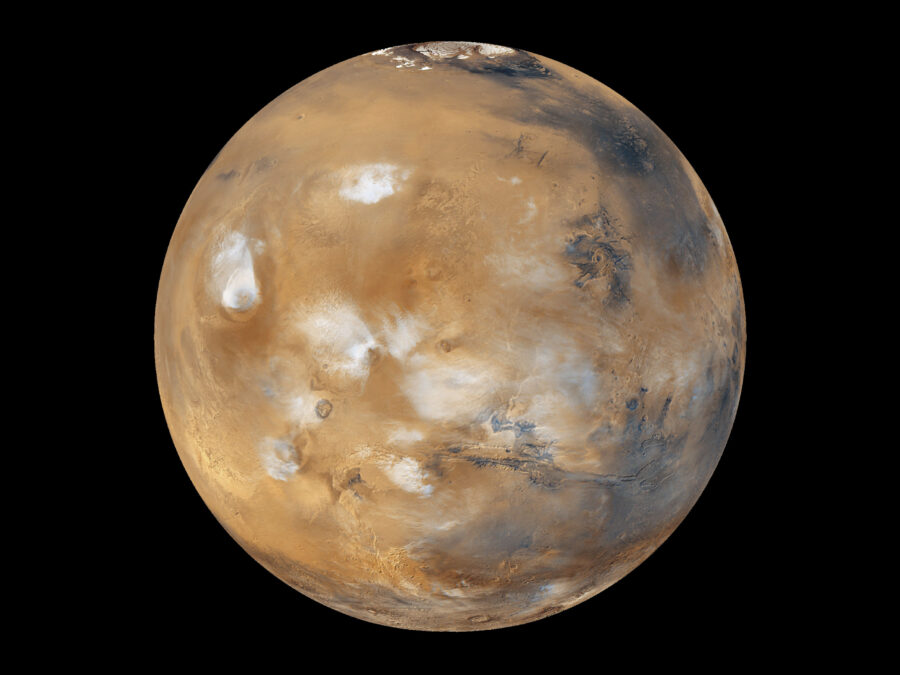
Elon Musk has spent years laying out plans for a human settlement on Mars. Gallup chief executive Jon Clifton thinks there’s a decent chance that goal gets reached before something far closer to home does: a functioning modern workplace.
Clifton made the comparison at the Jobs for the Future Horizons conference, a discussion later reported by Fortune, describing it as a line that has become a running joke inside Gallup — one built on real data. The company’s research found that employee engagement has weakened in recent years, and estimates that poor engagement cost the global economy roughly $10 trillion in lost productivity over the past year.
Musk is not the only technology leader Clifton’s comparison implicitly references. OpenAI chief executive Sam Altman and Amazon founder Jeff Bezos have both spoken about futures where space travel becomes far more accessible, even as artificial intelligence reshapes how people work day to day. Musk’s SpaceX has repeatedly reaffirmed its timeline for progress toward Mars in the coming years.
Against that backdrop, Clifton’s message is that the everyday workplace remains a much harder problem to solve than it might appear. Employees, he said, largely still find meaning in their jobs — ‘the problem is the workplace,’ not the work itself, citing management practices, poor communication and weak culture as the real culprits behind disengagement.
Gallup’s data also shows a decline in positive sentiment toward AI among Generation Z workers between 2025 and 2026, driven partly by employees feeling excluded from decisions about how AI tools are introduced at their companies. Clifton argues that leadership, not the technology itself, will determine whether that anxiety fades or deepens — and that rebuilding trust at work may end up being the longer journey, even next to a trip to Mars.
Wikimedia Commons/by NASA/JPL




Leave a Reply