From Fishing Boats to Superyachts: A 1967 Seattle Shipyard Chases Billionaire Buyers
Delta Marine, a Seattle shipyard founded in 1967, has partnered with a London design studio to launch a line of hybrid superyachts aimed at American billionaires who normally build in Europe.
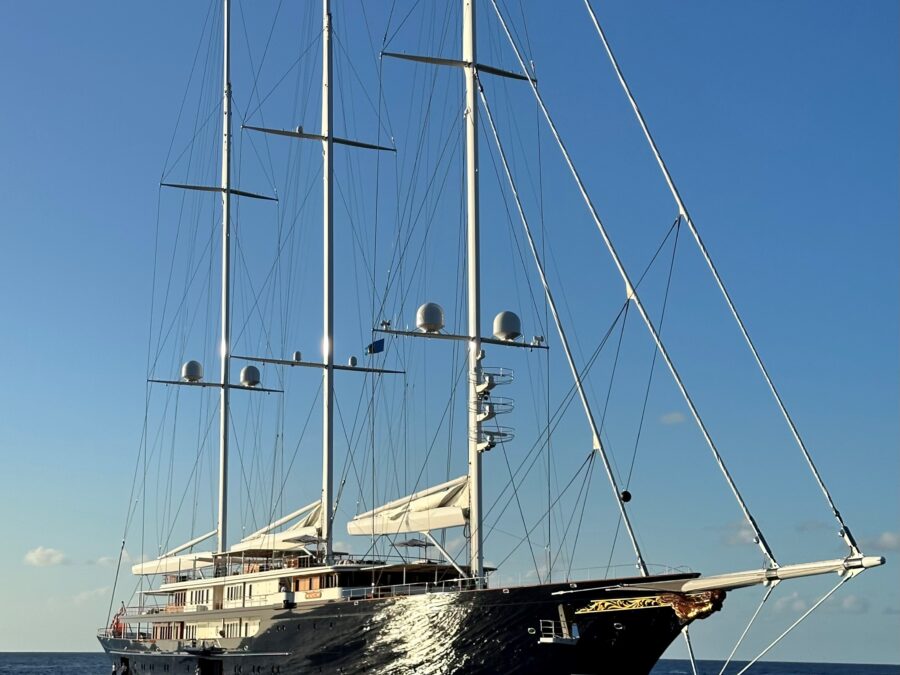
Delta Marine started out in 1967 building rugged fishing boats for the Pacific Northwest. Nearly six decades later, the Seattle shipyard has entered a very different market, one long dominated by European names, by partnering with London design studio Bannenberg & Rowell to unveil a new family of hybrid superyachts ranging from 50 to 75 meters, according to a report by Luxury Launches.
The first vessel to come out of that partnership, the Delta 50BR, is a 164-foot yacht built to blend European styling with American engineering heritage. It arrives into a market where the biggest names in American tech have almost always gone abroad. Amazon founder Jeff Bezos commissioned his 127-meter Koru from Dutch builder Oceanco. Apple co-founder Steve Jobs chose Dutch yard Feadship for Venus. Oracle’s Larry Ellison has owned vessels from both Lurssen and Feadship, Barry Diller’s Eos and Google co-founder Sergey Brin’s Dragonfly both came from Germany’s Lurssen, and Meta CEO Mark Zuckerberg has been linked to a Feadship project called Launchpad.
The Delta 50BR is built around outdoor living, with a terraced stern pool, tiered lounging areas, alfresco dining space and full-height garages hidden beneath its staircases for surfboards and paddleboards. Its owner’s deck includes separate ‘his and hers’ offices and a winter garden, letting founders or financiers keep working while cruising between destinations such as Alaska and Scandinavia. A diesel-electric hybrid system with podded drivers and integrated energy storage promises quieter operation, lower emissions and smoother cruising, and the yacht accommodates 12 guests across six staterooms, including a full-beam VIP suite and accessible cabins on the main deck.
Delta Marine is also pointing to a practical advantage that has nothing to do with design. US coastwise passenger laws restrict foreign-built yachts from certain charter operations between American ports, while American-built vessels can operate with greater flexibility in regions like Florida, New England and Alaska, an edge no European yard can offer.
For a company that spent its first decades building fishing boats, the leap into hybrid superyachts marks a significant repositioning, one aimed squarely at pulling America’s wealthiest buyers away from the European yards they have relied on for generations.
Image: Wikimedia Commons/by Conmat13





Leave a Reply