China’s MiniMax Raises $2.05 Billion as CEO Forgoes Salary Until AGI
MiniMax is raising about $2.05 billion in Hong Kong just as its CEO pledged to stop taking a salary and hand employees 4% of his personal equity.
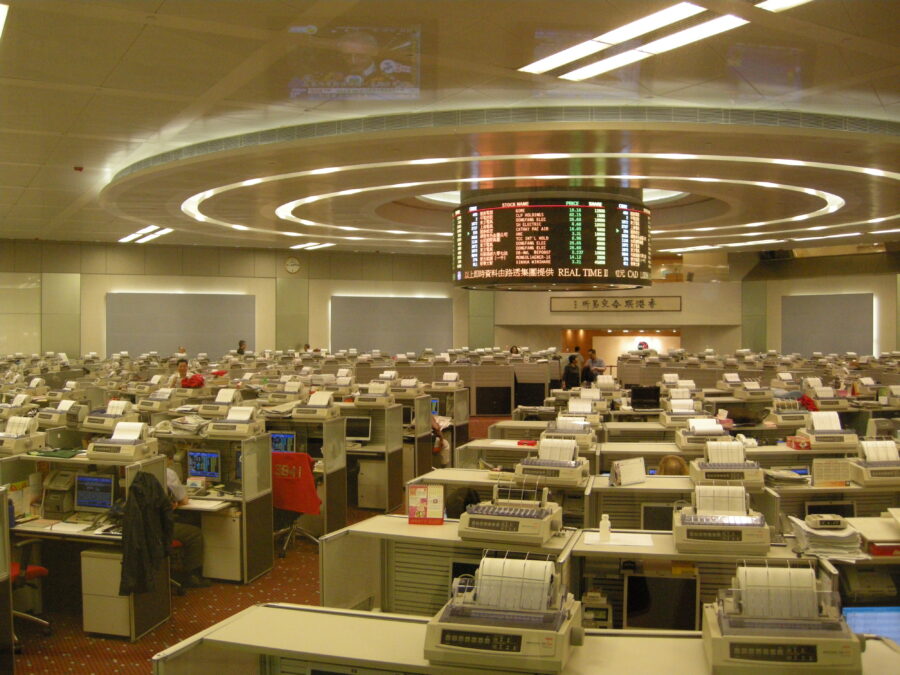
Chinese AI company MiniMax is seeking to raise approximately HK$16.04 billion, about $2.05 billion, through a Hong Kong share placement and zero-coupon convertible bonds — a fundraising push that landed alongside an unusual pledge from founder and CEO Yan Junjie to stop drawing a salary until the company achieves artificial general intelligence.
The share placement covers 35.6 million new Class A shares priced at HK$268 each, expected to raise around HK$9.54 billion, paired with HK$6.5 billion in convertible bonds maturing in 2027 at a conversion price of HK$335 per share. The company says proceeds will fund AI infrastructure, research and development, commercialisation and general corporate operations.
In an internal memo shared publicly on X by a MiniMax executive, Yan wrote that he would forgo his salary ‘from today until the day we achieve AGI,’ and pledged to allocate shares equal to 4% of the company’s total equity, held personally, to employees over the next four years. A further 1% of his shares will go toward a fund supporting open-source AI development. ‘We will keep going until we get there,’ he wrote.
MiniMax listed in Hong Kong in January, raising about HK$4.8 billion at a valuation near $6.5 billion, and now competes against Chinese rivals DeepSeek, Zhipu and Moonshot AI. Its latest flagship model, MiniMax M3, launched in June with a one-million-token context window, multimodal image and video understanding, and the company’s MiniMax Sparse Attention architecture, designed to cut long-context inference costs while improving coding and AI agent performance.
The company reported $79 million in revenue for 2025, up 159% year-over-year, with more than 70% coming from outside China, alongside a net loss of $1.87 billion driven largely by fair-value changes in financial instruments tied to its IPO.

Leave a Reply