Why was a tiny wild cat living in a cave full of ancient humans?
Researchers have a theory for why a newly identified 300,000-year-old cat fossil turned up at a Chinese cave site already famous for ancient human remains.
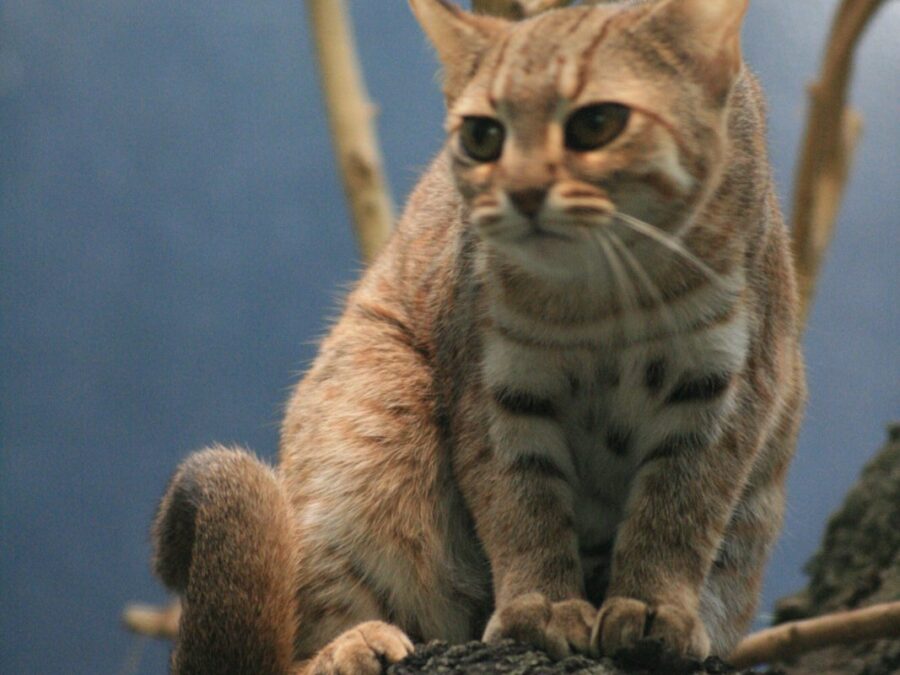
The Hualongdong site in eastern China’s Anhui Province is already well known to scientists for its ancient human remains, including around 20 individual human fossils and a relatively complete skull. So when researchers unearthed a tiny 300,000-year-old cat fossil there, it came as a surprise.
The fossil, identified as a new species named Prionailurus kurteni, belonged to a cat so small it could fit in the palm of a hand, comparable in size to today’s rusty-spotted cat and black-footed cat. Lead researcher Jiangzuo Qigao of the Institute of Vertebrate Paleontology and Paleoanthropology has a theory for why it was there at all.
‘The food scraps of ancient people at Hualongdong site might have lured rats and those small leopard cats as well,’ Jiangzuo said. In other words, human leftovers attracted rats, and the rats attracted the cats.
But there’s no sign the humans hunted or ate the cat. ‘It’s unclear whether these cats constituted part of the Hualongdong cave dwellers’ diet, due to the absence of human butchery marks on the fossil’s jawbone,’ Jiangzuo added. The site has also yielded over 400 stone artefacts and more than 80 vertebrate fossils, helping researchers piece together how the site’s ancient human inhabitants lived.
Image: Wikimedia Commons/by UrLunkwill



Leave a Reply