That tiny hole in your airplane window has a specific job: here’s what it does
The small hole visible in an airplane window's middle pane, known as a bleed hole, plays a key role in balancing cabin pressure and keeping the window clear.
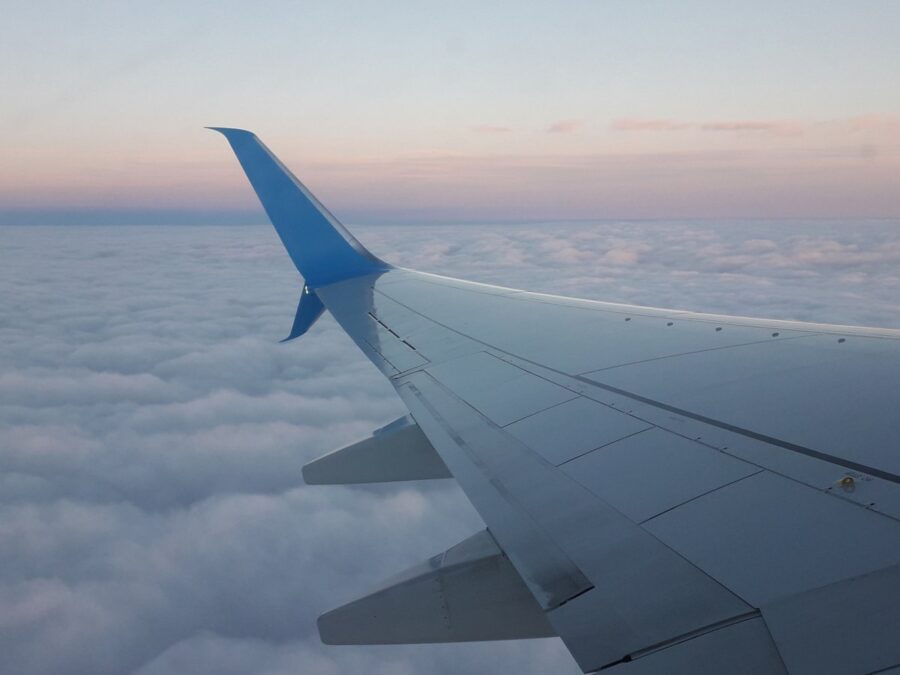
Look closely at an airplane window and you will notice a small hole on the lower part of the middle layer. Known as a bleed hole or breather hole, it is easy to overlook but serves several important functions in flight.
The hole balances pressure between the inner and middle panes of the window, ensuring that most of the load from cabin pressurization is taken up by the outer pane. It also prevents condensation and fog from forming inside the panes and allows moisture to escape, keeping the window clear throughout the flight. Without it, pressure could not be balanced properly, making the whole window system ineffective.
The hole is part of a larger, multi-layered design most passengers never notice. Commercial airliner windows typically have an outer layer that bears the maximum load of cabin pressure, a middle layer that acts as a backup should the outer layer be damaged, and an inner plastic layer that passengers can touch, which protects the other layers from scratches while also helping to keep out noise and regulate temperature.
This engineering exists because modern aircraft fly at altitudes of 30,000 to 40,000 feet, where cabins must be pressurized to simulate breathable conditions at lower altitudes. The resulting pressure difference causes the plane’s body to expand after takeoff and retract on landing, a cycle repeated tens of thousands of times over an aircraft’s lifespan.
The rounded shape of the window itself is part of the same safety story. Sharp corners, as found on square windows, concentrate stress and can develop cracks under repeated pressurization — a lesson the aviation industry learned after the de Havilland Comet, the first commercial jet airliner, suffered a series of mid-air breakups in the early 1950s linked to its square windows.





Leave a Reply