‘Stigma does as much damage as the illness’: psychiatrists on India’s mental health gap
Mental health professionals say fear of being judged is one of the biggest reasons people delay seeking treatment for serious psychiatric conditions.
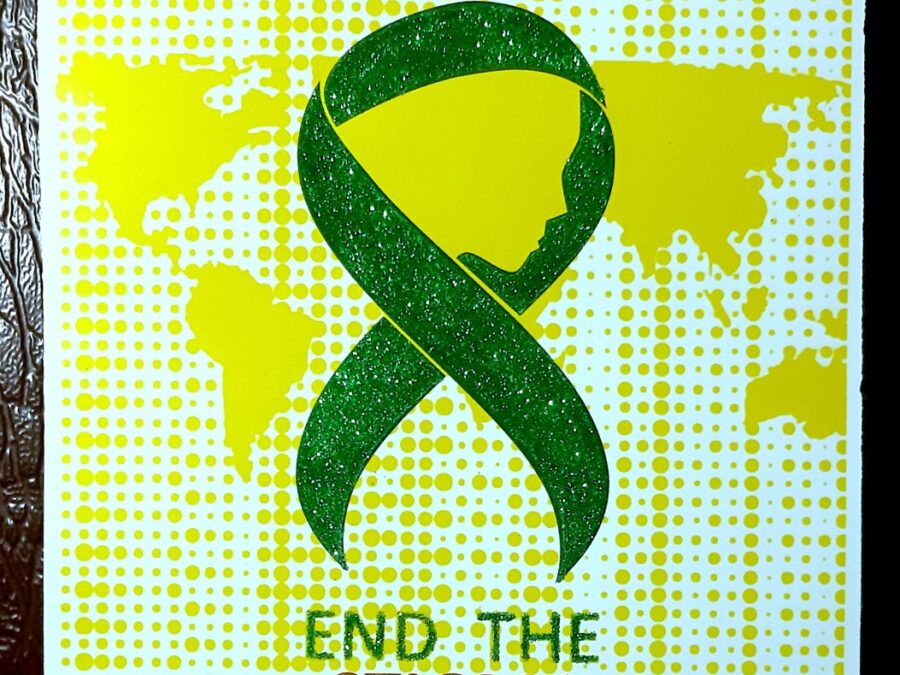
‘I’ve had patients who suffered for years before walking into a clinic, purely because of what people would say,’ says Dr Divya Nallur, clinical director at mental healthcare provider Amaha. ‘Stigma often does as much damage as the illness.’
Stereotypes around conditions such as schizophrenia, dissociative identity disorder and bipolar disorder follow people into classrooms, workplaces, neighbourhoods and even their own homes, shaping who gets hired, who is trusted and who feels safe enough to ask for help. That delay in treatment can have lasting consequences, as symptoms become harder to manage and recovery takes longer than it otherwise might.
Seema Rekha, founder and director of workplace mental health consultancy Antarmanh Consulting, said stigma also discourages honest conversations within families. ‘Delayed help-seeking can be considered one of the main consequences of stigma. The delay in treatment can result in further deterioration of mental disorders and make rehabilitation more difficult,’ she said, adding that Hollywood’s historical use of conditions like schizophrenia and DID for dramatic effect gave audiences a ‘completely wrong perspective.’
The World Health Organization has highlighted that stigma and discrimination often lead to social exclusion, limiting access to education, employment, housing and healthcare for people living with schizophrenia and other severe mental illnesses. Dr Asha, a psychiatrist at Bengaluru’s SPARSH Hospital, said people living with these conditions ‘are not simply their condition’ and should be treated with empathy and dignity rather than suspicion or fear.
Image: Wikimedia Commons/by Dr Partha Sarathi Sahana




Leave a Reply