Less of your Wi-Fi signal leaking outside could mean better security
By redirecting Wi-Fi signals indoors, an aluminium-coated reflector developed at Dartmouth College also makes home networks less visible to nearby devices outside.
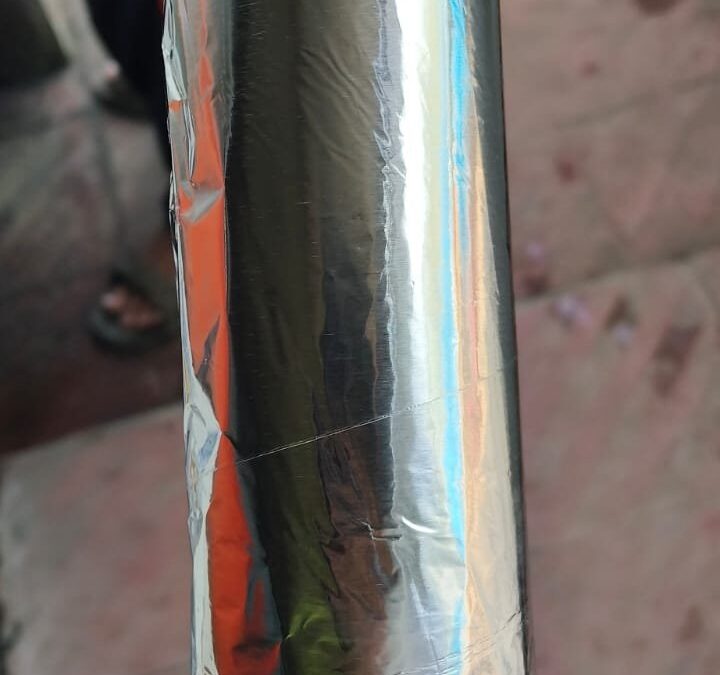
One of the less obvious benefits of directing Wi-Fi signals indoors is improved security. Modern networks are protected primarily by strong encryption standards such as WPA3, and no piece of aluminium foil can replace that. Even so, reducing the physical reach of a Wi-Fi signal makes the network less visible beyond the property.
Researchers at Dartmouth College built WiPrint, a system that uses custom-shaped reflectors made from 3D-printed plastic coated with a thin layer of aluminium to achieve exactly this. Each reflector is precisely designed to match the layout of a specific room, redirecting the router’s radio waves toward areas needing stronger coverage while limiting transmission in unwanted directions.
If less of the signal escapes outside a home, there are simply fewer places from which nearby devices can detect and attempt to connect to it. The project, presented at the ACM International Conference on Mobile Computing and Networking, demonstrated reductions of up to 10 decibels in areas where coverage was intentionally minimised, alongside signal strength gains of up to 6 decibels indoors.
Unlike mesh systems or signal boosters, WiPrint works entirely passively, requiring no electricity, software updates or network configuration once installed. Researchers stress it complements, rather than replaces, security measures like strong passwords and encryption.
Image: Wikimedia Commons/by ShriniwasGajare





Leave a Reply