How warm Pacific waters helped Super Typhoon Bavi intensify so rapidly
Sea surface temperatures around 30 degrees Celsius helped Super Typhoon Bavi intensify rapidly as it crossed the western Pacific.
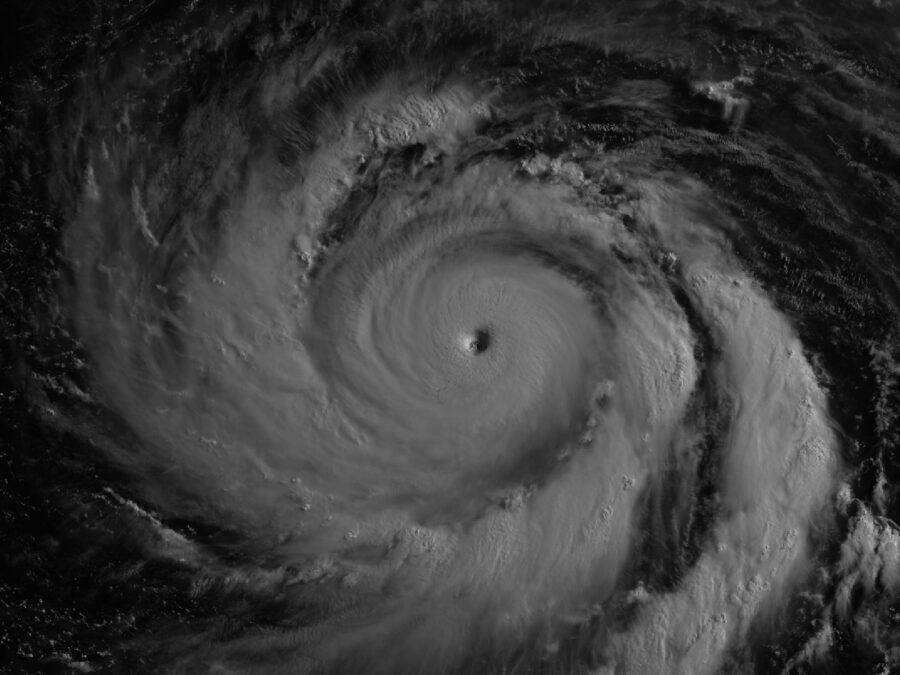
Super Typhoon Bavi intensified rapidly over a stretch of the western Pacific where sea surface temperatures hovered around 30 degrees Celsius, according to NASA, which notes that warm water acts as fuel for tropical cyclones, providing the energy needed to strengthen thunderstorms around a storm’s centre.
The typhoon reached super typhoon status on July 4 local time while moving west across the Pacific, and by the time it approached Guam and the Northern Mariana Islands, sustained winds had climbed to around 290 kilometres per hour — making it the third Category 5 tropical cyclone of 2026.
Meteorologists have been watching the 2026 Pacific season closely because of developing El Niño conditions. As noted by weather experts cited by NASA, storms that form farther east during El Niño years can spend more time over warm water before turning towards Asia, increasing the possibility of reaching the highest intensity categories.
A NASA-supported satellite captured the storm near its peak intensity shortly after midnight local time on July 6, showing a tightly organised eyewall illuminated in part by moonlight, before Bavi’s eye moved across Rota in the Northern Marianas a few hours later.




Leave a Reply