‘Even clear-looking water may not be safe’: doctors on monsoon stomach infection prevention
Doctors say monsoon rains can contaminate drinking water even when it looks clear, and recommend boiled or filtered water along with careful food handling to prevent stomach infections.
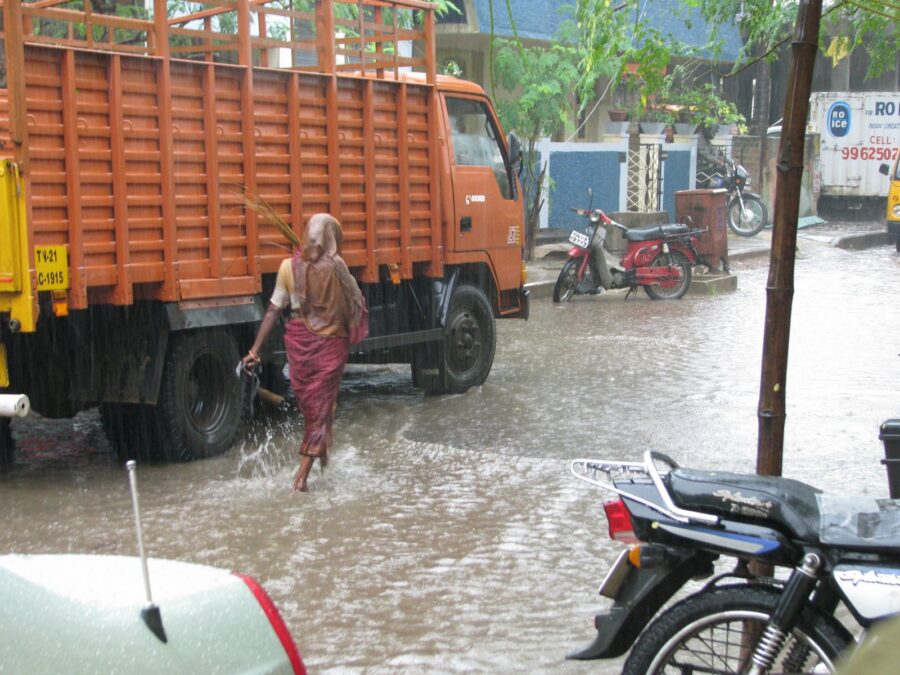
Many stomach infections begin with something as ordinary as a glass of water, doctors say. During heavy monsoon rains, sewage lines, overflowing drains and flooded surroundings can contaminate water supplies with bacteria, viruses and parasites — and even clear-looking water may not always be safe.
‘The initial step is to ensure that the water you consume is secure. Opt for either boiled, filtered, or bottled water. In case of any doubt regarding the safety of your water, a good water purifier or chlorination tablets can be utilized to ensure that it is safe for drinking,’ said Dr Vineet Kumar Gupta, senior consultant and unit head of gastroenterology at ShardaCare – Healthcity. Air Cmde (Dr) Bhaskar Nandi, director and head of gastroenterology, hepatology and endoscopy at Sarvodaya Hospital, added, ‘Drink boiled or filtered water whenever you can and drink nothing made with ice or beverages from an unsecured source.’
Dr Vinay Bhat, associate director of internal medicine at Yashoda Medicity, recommended carrying drinking water while travelling rather than relying on unknown sources. The advice reflects a broader seasonal pattern: health experts see a noticeable rise in vomiting, diarrhoea, stomach cramps, food poisoning, gastroenteritis, typhoid and hepatitis A during the monsoon months, driven partly by rainwater contamination of drinking water sources.
Food safety adds another layer of protection. Doctors recommend fresh, home-cooked meals over street food, thorough washing of fruits and vegetables — including soaking produce in vinegar for a few minutes — and avoiding raw sprouts or pre-chopped fruits from supermarkets, which can carry higher contamination risk in humid conditions.
Kitchen hygiene and handwashing round out the precautions doctors recommend, including washing hands with soap before meals, while cooking, and after using the restroom, along with keeping cooked food refrigerated and reheating it thoroughly before eating.
Dr Nandi advised that anyone suffering from diarrhoea or vomiting should stay hydrated, eat light foods, and see a doctor without delay if they do not recover within a few days or experience high fever or blood in vomit.




Leave a Reply