Canadian study confirms aspen trees act as a natural firebreak, in all seasons
A national-scale Canadian study found aspen trees consistently slow wildfires regardless of season, reinforcing their role as a natural firebreak.
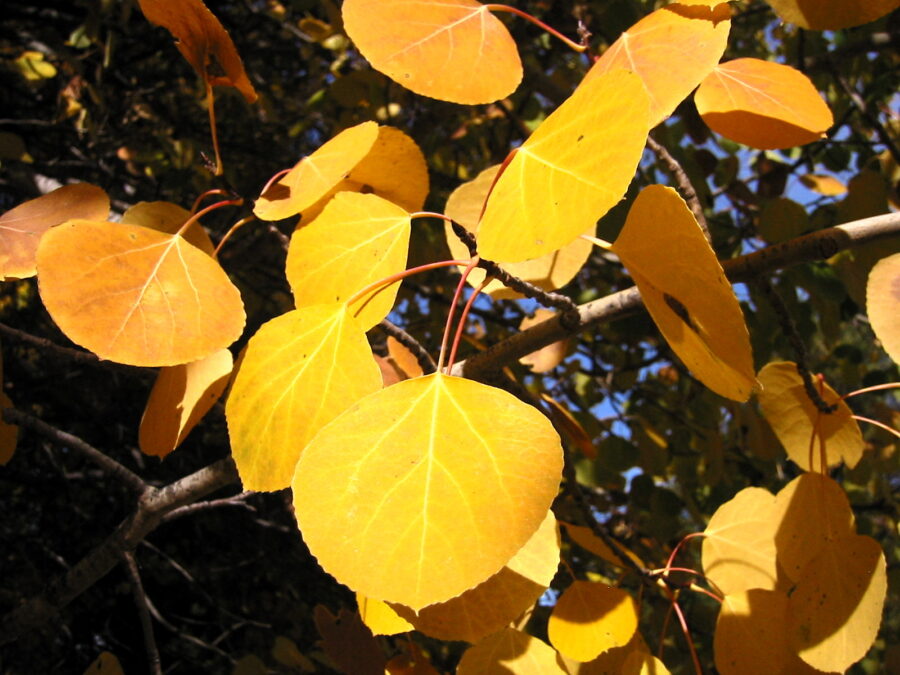
A Canadian study examining wildfire data across four major forested ecozones has confirmed, for the first time at a national scale, that aspen trees function as a natural firebreak — and that this effect holds up regardless of season.
Led by Flavie Pelletier at McGill University alongside colleagues at the Canadian Forest Service, the research compared dominant tree species maps against wildfire occurrence data during three recent active fire years. The proportion of aspen recorded along fire perimeters ran more than twice as high as the proportion found within burned interiors, while spruce showed no comparable edge effect and pine showed only a slightly negative one.
One particularly notable finding involved timing. Researchers had initially expected aspen stands to burn more severely in spring, when the trees are naturally drier after losing their leaves over winter. Instead, they found no significant link between season and either fire severity or the proportion of aspen recorded along fire perimeters — a consistency Pelletier described as the strongest indicator that aspen genuinely functions as a fire barrier, rather than its fire-resistant reputation being an artefact of when most wildfires happen to occur.
The findings echo a separate US study published in Ecological Applications, which examined 314 wildfires across the southwestern United States between 2001 and 2020 and found fire spread rates dropped sharply wherever aspen cover was high.



Leave a Reply