One sound sends bears fleeing 10 times faster — and forests are paying for it
A Pacific Northwest Research Station study found bears and eagles near Alaska's salmon streams flee almost 10 times more often at the sound of human voices than natural noise, disrupting a nutrient cycle that feeds nearby forests.
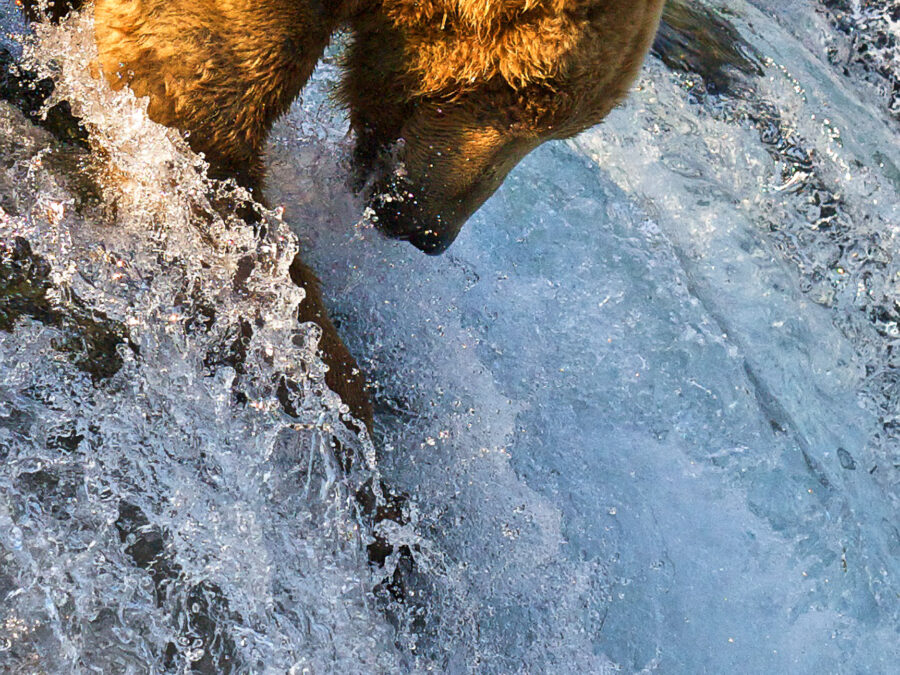
It takes surprisingly little to send a fish-eating bear running: the sound of a human voice. A new study from the Pacific Northwest Research Station found that bears and bald eagles near Alaska’s salmon streams were almost 10 times more likely to flee at the sound of people talking than at natural noises like seabird calls.
Research ecologist Philip Manlick and his team set up motion-activated cameras and speakers along riverbanks in the Héen Latinee Experimental Forest near Juneau, testing how wildlife reacted to recordings of off-highway vehicles, human conversation, and natural sound as a control, with salmon placed nearby to draw predators in. Animals were twice as likely to flee from vehicle noise compared with natural sound — but voices triggered by far the strongest reaction.
At sites with frequent human disturbance, the animals didn’t just leave; they changed their entire feeding pattern, taking fewer salmon directly from the streams and moving much of their activity to nighttime to avoid people altogether.
That shift has consequences that ripple well beyond the riverbank. Bears normally eat only the richest parts of a salmon — the brains, skin and eggs — leaving the rest to decompose on the forest floor. Along with bear waste, those leftovers release nitrogen that fertilises the surrounding trees and plants. When bears are pushed away from streams or forced into nocturnal feeding, that natural fertiliser stops reaching the forest the way it used to.
A separate study out of British Columbia adds weight to the finding. Dr Megan Adams of the University of Victoria and the Raincoast Conservation Foundation studied 226 grizzly bears across 22 watersheds and, in a longer-term analysis using chemical clues from bear hair collected between 1995 and 2014, found that human activity in river valleys reduced female grizzlies’ salmon intake by up to 59%, a bigger factor than the actual salmon supply.
Scientists are now urging larger protected zones around salmon streams and seasonal restrictions, such as closing wilderness roads during the peak autumn spawning run. As Manlick put it, the aim isn’t to keep people out of the forest altogether, but to plan human activity so there’s still room for ‘bears to be bears.’
Wikimedia Commons/by Dmitry Azovtsev
Leave a Reply