Millions of discarded olive pits are becoming Spain’s newest climate weapon
Barcelona engineers are mixing biochar from olive pits into asphalt to store carbon inside city streets for decades.
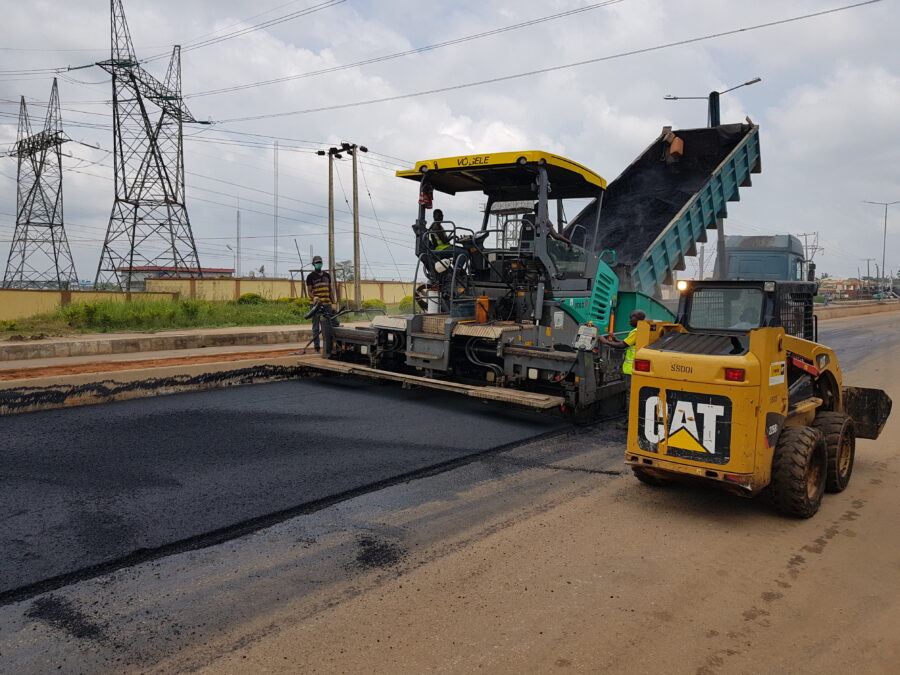
Every olive harvest in Spain leaves behind mountains of pits that the food industry has little use for. A pilot project in Barcelona is now treating that waste as a resource, converting it into a material that could make city streets a long-term carbon store.
The idea began with Barcelona’s ’21st Century Street Section’ challenge, which asked engineers to find practical ways to cut emissions tied to rebuilding roads and pavements. The result, according to the Advanced Carbons Council, is an asphalt mixture where biochar made from olive pits and pine residues stands in for the mineral filler used in conventional paving.
Turning the pits into biochar relies on pyrolysis, a process that heats organic material in the absence of oxygen. That keeps the carbon the olive trees originally absorbed locked inside a solid material instead of releasing it back into the atmosphere the way decomposition or burning would.
Once that biochar is folded into the asphalt, the carbon stays embedded in the road surface for years or even decades, according to the council, which estimates the mixture could reduce the carbon footprint of asphalt paving by about 75 per cent compared with standard materials.
The real-world test now covers roughly 2,000 square metres on Carrer Cerdà in Barcelona’s Eixample district, a project involving construction firms AMSA and ELSAN and researchers from the Polytechnic University of Catalonia. Construction group Sorigué is tracking how the surface handles daily traffic, checking cracking resistance and overall durability before city authorities decide whether it can move from pilot to routine public works.
Because Spain is the world’s largest olive oil producer, the supply of raw material is effectively guaranteed every harvest season. Researchers have already explored olive-pit biochar as an additive in concrete too, where it has shown promise for lowering emissions and improving resistance to water penetration — suggesting the Barcelona pilot could be the start of a much bigger shift in how construction materials are sourced.
Wikimedia Commons/by Sammya Nig Ltd




Leave a Reply