Japan’s solar cell breakthrough runs on an ingredient it already dominates
Japan is one of the world's leading producers of iodine, a key ingredient in the perovskite solar cells it hopes to commercialise over the next decade.
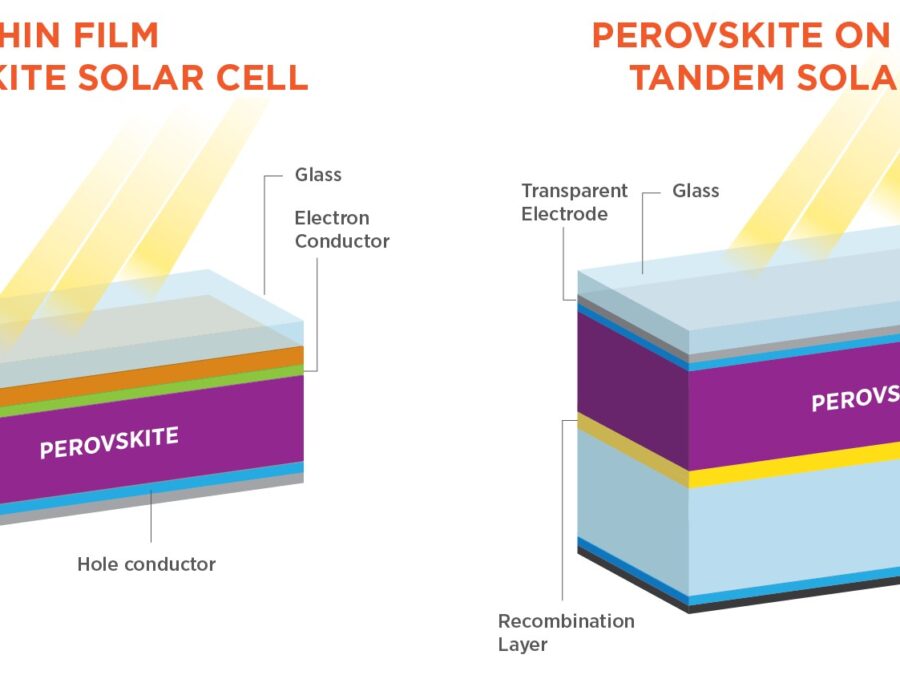
Japan’s strong interest in flexible perovskite solar cells is driven by more than innovation alone. As the Institute for Energy Economics and Financial Analysis notes, the country is one of the world’s leading producers of iodine, an essential ingredient in many perovskite solar cells.
Developing a domestic perovskite industry could strengthen Japan’s renewable energy supply chain and reduce its dependence on imported fossil fuels. At the same time, the institute cautions that commercial success will depend not only on scaling up production but also on overcoming challenges related to durability, manufacturing quality and long-term competitiveness.
The technology itself is markedly different from conventional silicon panels. The light-absorbing perovskite layer is only a tiny fraction of the thickness of a silicon wafer and can be printed onto flexible plastic or metal substrates in a process that resembles industrial newspaper printing far more than traditional solar panel production.
For a country where suitable land is scarce and urban density is high, that flexibility is more than a scientific curiosity. Perovskite solar films could transform existing buildings, transport infrastructure and urban surfaces into distributed sources of clean electricity without competing for scarce space.
Image: Wikimedia Commons/by National Renewable Energy Laboratory




Leave a Reply