1.3 Million People Are Related to This 17th-Century Colonial Maryland Settlement, DNA Study Finds
A DNA study of a colonial Maryland chapel cemetery has traced more than 1.3 million living relatives of the settlement's founding population.
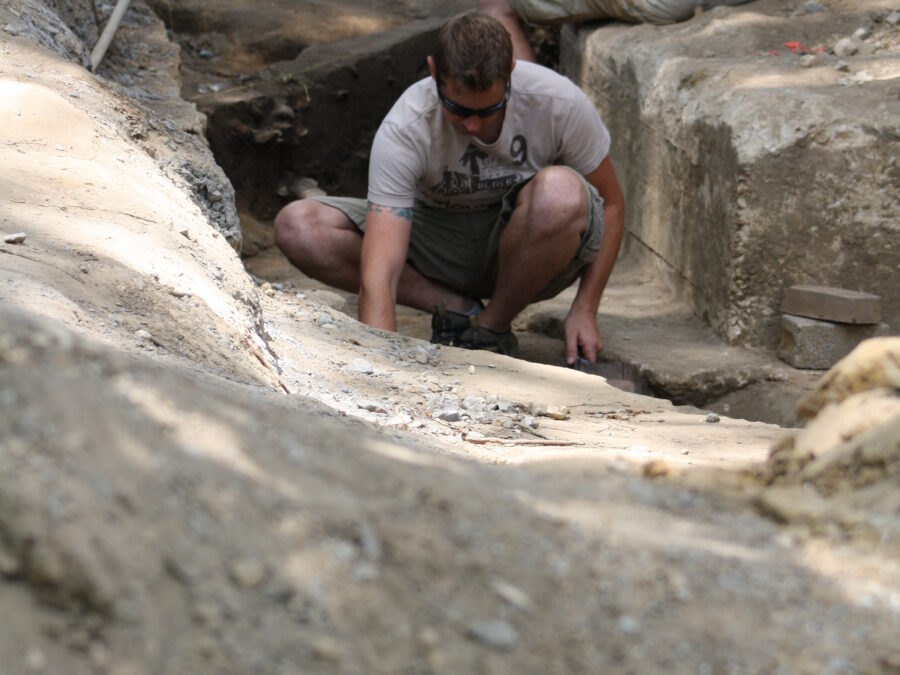
A new DNA study has traced more than 1.3 million living relatives of the founding population of a 17th-century Maryland settlement, after researchers analysed the remains of 49 people interred at St Mary’s City between 1634 and 1730.
St Mary’s City was established in 1634 as the capital of colonial Maryland, settled by people fleeing religious persecution in England. Published this week in the journal Current Biology, the study cross-referenced ancient DNA from the site’s Brick Chapel cemetery, built by 1667, against modern genetic databases. Most of the skeletons examined traced back to western England and Wales, matching historical settlement records, and the largest single cluster of living relatives — more than 200 people — traces its ancestry to Kentucky, linked to the migration of Maryland’s Catholic families there after the Revolutionary War.
Beyond the genealogical trail, the research identified two of Maryland’s early colonial governors among the burials: Philip Calvert, the colony’s fifth governor, buried with his wife Anne Wolseley Calvert and an infant son, and Thomas Greene, the second governor, whose burial location had never been confirmed before it was matched through the 23andMe database and genealogical records.
One burial raised separate questions: an 8-year-old boy with majority African ancestry, found through isotope analysis to have been born in America, was buried in a shroud and coffin following English customs typically reserved for elite settlers rather than the separate, unmarked burials usually given to enslaved people. Researchers say this suggests he may not have been enslaved, while noting the line between indentured servitude and enslavement for African-descended people in the 17th century was often blurred.
Two other burials belonging to young men likely of Irish origin showed signs of heavy labour and poor health with no coffins, consistent with indentured servitude — a common status for white immigrants of the period who worked off a fixed number of years before joining colonial society as free settlers.




Leave a Reply