Glen Canyon is coming back to life as Lake Powell’s water levels drop
Sections of Glen Canyon are re-emerging as Lake Powell's water levels decline, offering a glimpse of ecological recovery.
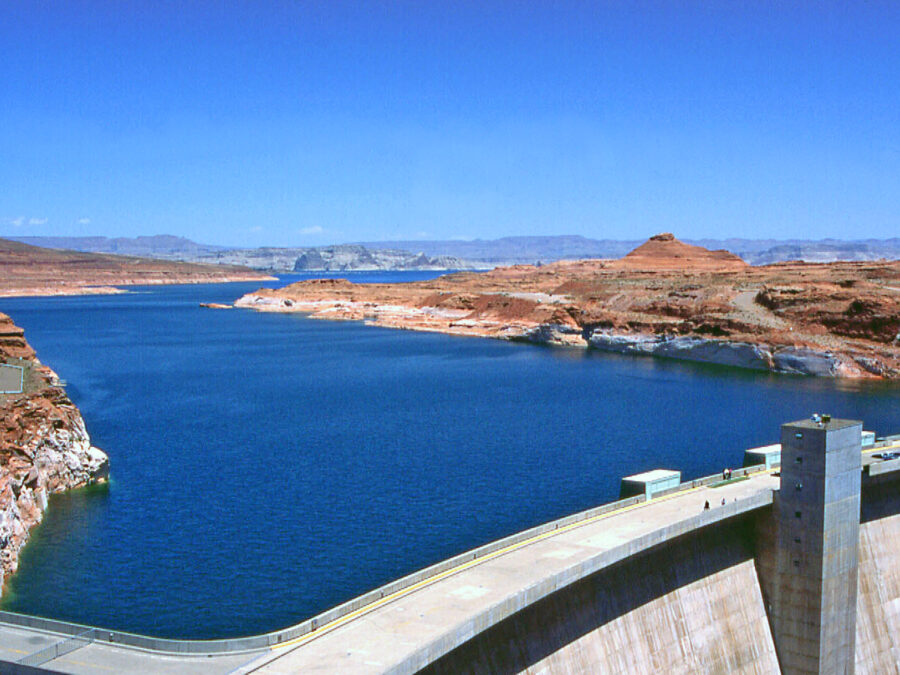
As Lake Powell’s water levels have declined in recent years, sections of Glen Canyon that had been submerged for decades have begun to re-emerge — offering supporters of a controversial water management proposal a glimpse of what ecological recovery could look like.
The proposal, known as “Fill Mead First,” calls for consolidating most of the Colorado River’s stored water in Lake Mead, even if that means allowing Lake Powell to shrink dramatically or eventually disappear. Advocates interviewed by Newsweek argue that concentrating storage in a single reservoir could improve long-term water security, reduce evaporation and seepage losses, and let the Colorado River flow more naturally through Glen Canyon.
For more than 60 years, Lake Powell and Lake Mead have served as the twin pillars of the Colorado River system, storing water for cities, farms and hydropower across the American Southwest. But as drought, rising temperatures and chronic overuse continue to shrink the river, some scientists and water experts argue that operating both reservoirs as originally designed may no longer be realistic.
Supporters acknowledge the proposal would require major engineering changes, including bypassing Glen Canyon Dam, while critics warn that removing Lake Powell would eliminate an important buffer that stores water during wet years for release during prolonged droughts.



Leave a Reply