Apollo 13 explains exactly why NASA didn’t care much about astronaut IQ scores
NASA's emphasis on character and resilience over raw intelligence in astronaut selection was later validated by the Apollo 13 crew's crisis response.
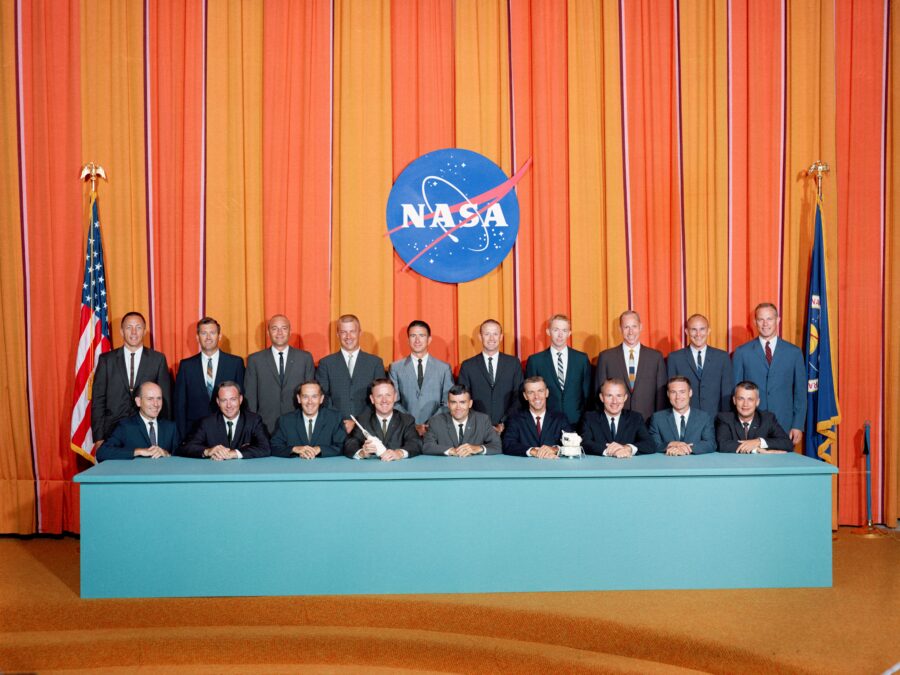
Years after NASA selected its 1966 Astronaut Group 5 using a scoring system that gave intelligence just one point out of 30, one mission would prove exactly why the agency had made that choice: Apollo 13.
NASA’s emphasis on character was shaped by the realities of human spaceflight, with astronauts routinely trained for emergencies requiring quick thinking, emotional control, and close cooperation with mission control and crew members. A candidate who performed exceptionally well on a written test but struggled to remain composed during a crisis could place an entire mission at risk. The agency’s philosophy became most evident during Apollo 13, when astronauts and engineers worked together to overcome multiple system failures using creative problem-solving and disciplined teamwork.
While Apollo 13 occurred several years after Group 5 was selected, it remained one of the clearest examples of why NASA valued practical knowledge and resilience alongside technical expertise. The agency recognised that resilience, adaptability and teamwork could not always be measured through conventional intelligence tests, but were proven through decisions made in real-world operations.
In the original 1966 selection, NASA’s official procedure evaluated candidates across engineering and scientific knowledge, operational performance, motivation, communication skills, teamwork and leadership potential — with intelligence contributing just a single point. Selection panels looked specifically for evidence that applicants could evaluate rapidly changing situations, weigh risks, and make effective decisions with limited information, alongside the motivation and perseverance needed to survive years of demanding training before ever reaching space.





Leave a Reply