This Chinese city wants buildings covered in a million plants
Southern China's Liuzhou is building an entire neighbourhood covered in 40,000 trees and nearly a million plants to fight the smog that has long plagued the city.
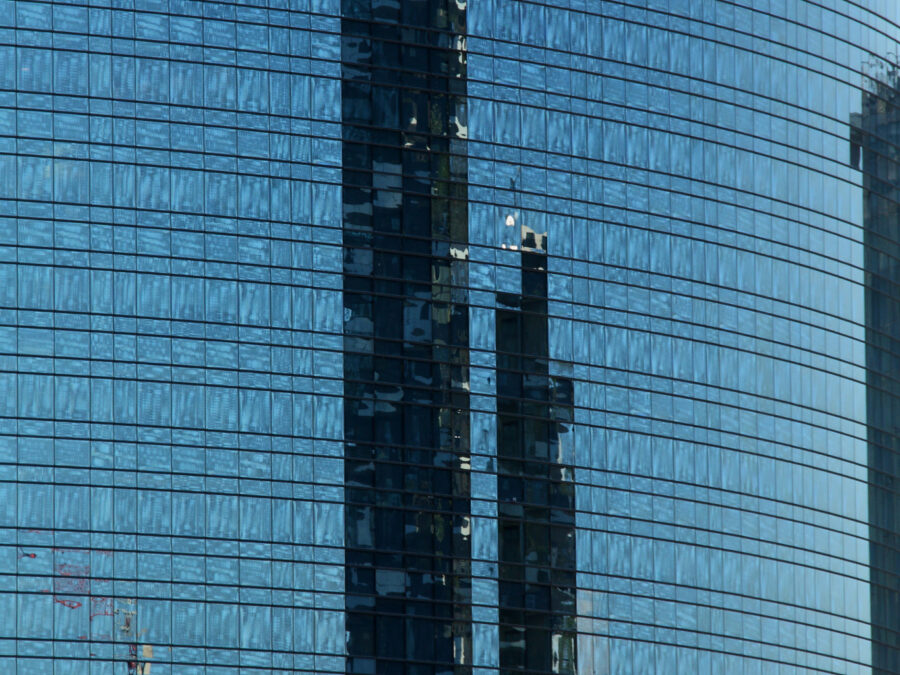
Nearly a million plants across more than 100 species. Around 40,000 trees. Rooftops, balconies and building facades turned into growing surfaces on offices, homes, hotels, schools and even a hospital. That is the scale of Liuzhou Forest City, a planned neighbourhood on the northern edge of Liuzhou in China’s Guangxi region, designed by Italian architecture firm Stefano Boeri Architetti.
The 175-hectare site sits along the Liujiang river in a city of roughly 1.5 million people that has struggled with heavy smog as industry in the surrounding region has grown. The masterplan was commissioned by the Liuzhou Municipality Urban Planning Bureau, which is betting that greenery built directly into architecture can succeed where stricter emissions rules and factory shutdowns have only partly worked.
The concept did not start in China. It traces back to Bosco Verticale, or ‘Vertical Forest’, a pair of residential towers Stefano Boeri built in Milan and completed in 2014. Boeri’s firm says those two towers alone filter around 15 to 17.5 tons of soot from the air every year, a result that pushed the idea toward being tested at the scale of an entire city.
According to figures shared by Stefano Boeri Architetti, the vegetation planned for Liuzhou is expected to absorb close to 10,000 tons of carbon dioxide and roughly 57 tons of fine particulate pollutants annually, while producing about 900 tons of oxygen a year. The design is also meant to cool the neighbourhood by cutting the urban heat island effect, reduce traffic noise and create habitat for birds, insects and small animals.
Energy is meant to come largely from within the neighbourhood itself, with geothermal systems handling heating and cooling and rooftop solar panels generating power, connected to the rest of Liuzhou through a dedicated rail line reserved for electric vehicles.
Liuzhou is intended to be the first of several such projects. Stefano Boeri Architetti has proposed similar forest-city concepts for other polluted Chinese cities including Shijiazhuang, and has already built standalone vertical-forest towers on a smaller scale in Nanjing, as China’s cities continue adding tens of millions of new residents every year.



Leave a Reply