Forced eviction, no clean water: what 1.8 billion people call home
More than 1.8 billion people worldwide live in informal settlements or inadequate housing, often without reliable water, sanitation or electricity, according to the United Nations.
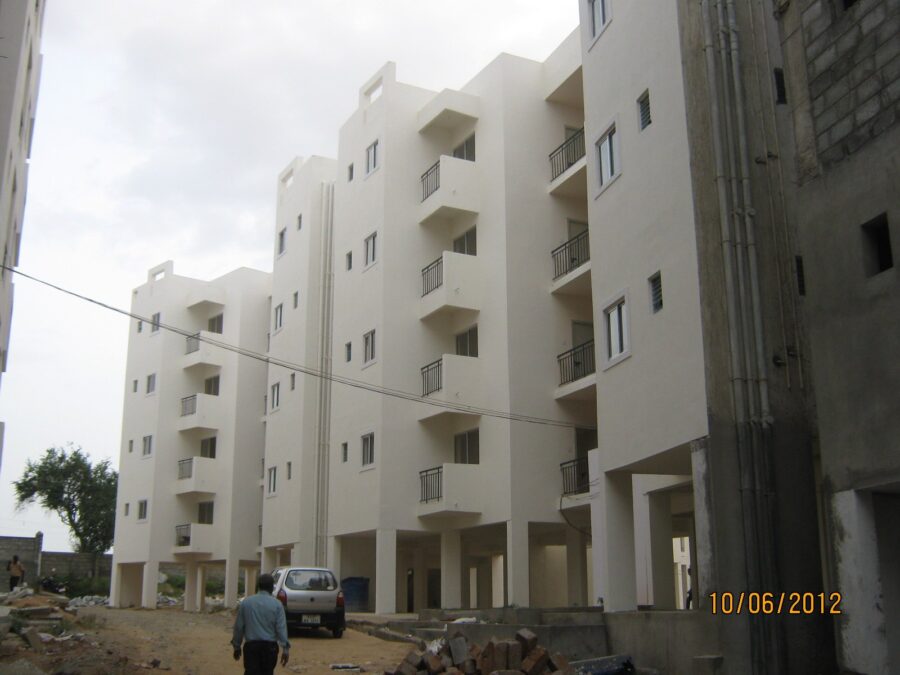
More than 1.8 billion people live in informal settlements or other forms of inadequate housing, often without reliable access to water, sanitation or electricity and under the constant threat of forced eviction, according to the United Nations.
Homelessness, considered one of the gravest violations of the right to adequate housing, has also been rising in many developed economies. The COVID-19 pandemic further exposed these vulnerabilities, leaving millions unable to pay rent or mortgages.
The financialisation of housing, where homes become vehicles for investment and wealth creation rather than a social good, has transformed housing markets across the world. Combined with climate change, natural disasters, armed conflict and large-scale infrastructure and development projects, these pressures have displaced millions and made cities increasingly unaffordable. Women, minorities, indigenous peoples, persons with disabilities, migrants, refugees and other marginalised groups continue to face discrimination in accessing adequate housing.
The UN maintains that despite these pressures, housing is first and foremost a basic human right, first recognised under the Universal Declaration of Human Rights in 1948. Realising the right, the UN says, depends on governments adopting appropriate laws, policies and national housing strategies.
Image: Wikimedia Commons/by JanShu



Leave a Reply