Why most of a seafloor spreading event happened without any big earthquakes
Researchers found that much of the fault movement during a recent seafloor spreading event occurred quietly, without generating large earthquakes.
One of the most surprising findings from a newly documented seafloor spreading event involves the faults themselves. Earthquakes have traditionally been viewed as the main way faults accumulate displacement, but observations from this event, published in a Nature study on July 8, 2026, tell a more complicated story.
Researchers concluded that much of the fault movement during the April 2024 event along the Southeast Indian Ridge occurred quietly, without generating large earthquakes — a process known as aseismic slip, which releases little seismic energy despite producing substantial deformation.
The event began when a swarm of earthquakes appeared beneath the ridge valley and migrated rapidly along the ridge axis over several kilometres, resembling magma forcing its way through cracks in the crust. Pressure sensors then recorded the seafloor sinking roughly four metres over several days, while acoustic transponders measured horizontal shifts exceeding one metre as the seafloor physically stretched apart.
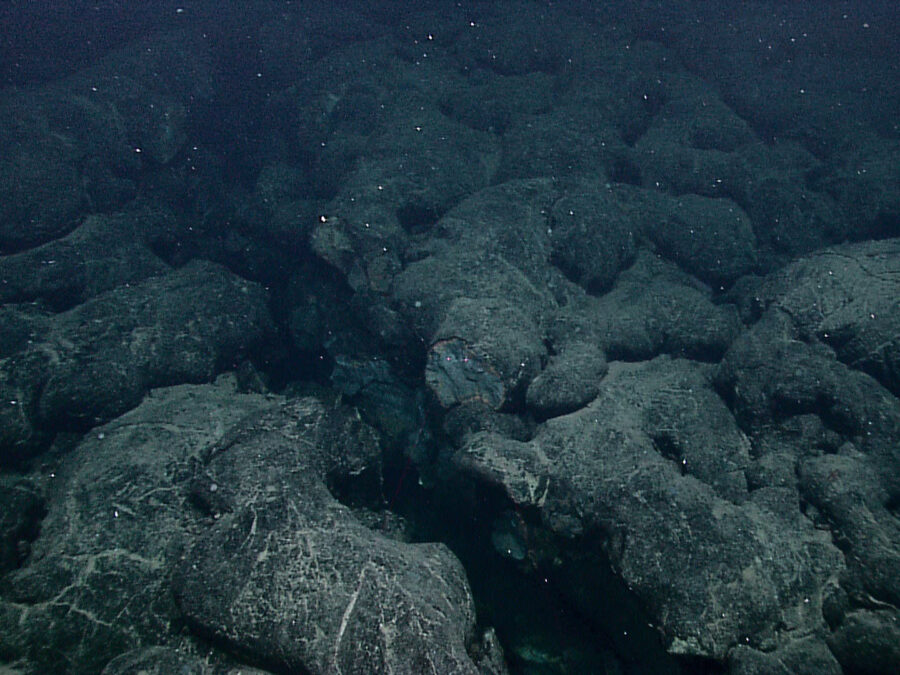
The underground activity eventually produced extensive new lava flows on the ocean floor, some exceeding 90 metres in thickness, with an estimated total volume of between 148 million and 160 million cubic metres erupting over roughly 16 days — offering scientists a rare real-time view of how Earth creates new crust.



Leave a Reply