Neanderthal fathers, human mothers: what an old genetic imbalance reveals about ancient interbreeding
New research explains why Neanderthal DNA is common across most of the human genome yet rare on the X chromosome, pointing to a strong sex bias in ancient interbreeding.
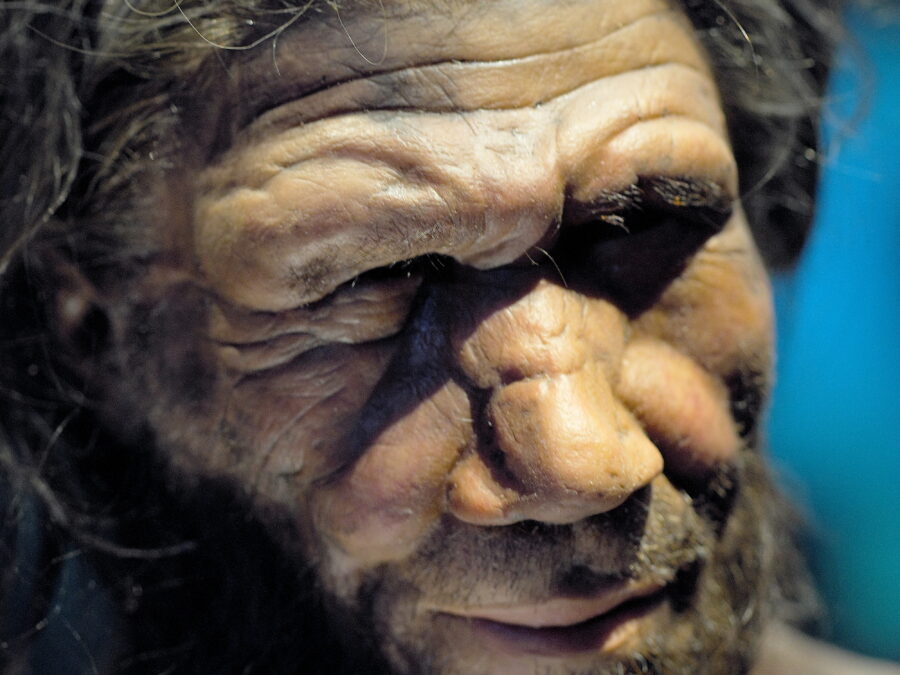
Most people of non-African ancestry carry small amounts of Neanderthal DNA today, a result of interbreeding that took place after modern humans left Africa around 50,000 years ago. But researchers have long puzzled over an odd detail: that DNA shows up regularly across most chromosomes, except the X chromosome, where it is unusually rare.
A study published in the journal Science set out to explain the gap. By tracing the flow of ancient DNA in both directions, researchers uncovered a mirror-image pattern — while modern humans hold onto very little Neanderthal DNA on their X chromosome, Neanderthal genomes carry a 62% relative excess of modern human ancestry on theirs.
Modelling this pattern, scientists concluded the most likely cause was a sex bias in ancient interbreeding: pairings between male Neanderthals and female modern humans happened more often than the reverse. The researchers are careful to frame this as a statistical inference drawn from surviving lineages, not confirmation of any specific relationships, courtship, or attraction between the two groups, and note that migration and natural selection could also have played a role.
Other evidence adds nuance to the picture. A study of Neanderthal remains from El Sidrón Cave in Spain found that adult males shared closely related maternal lineages, while females carried more varied mitochondrial DNA — a pattern consistent with women moving between groups while men stayed within their birth communities, independent of any assumptions about mate choice.
Researchers describe the findings as part of an ongoing, evolving picture of human origins rather than a final word, expecting future advances in ancient DNA sequencing to reveal more about how Neanderthals and modern humans actually lived alongside one another.


Leave a Reply